
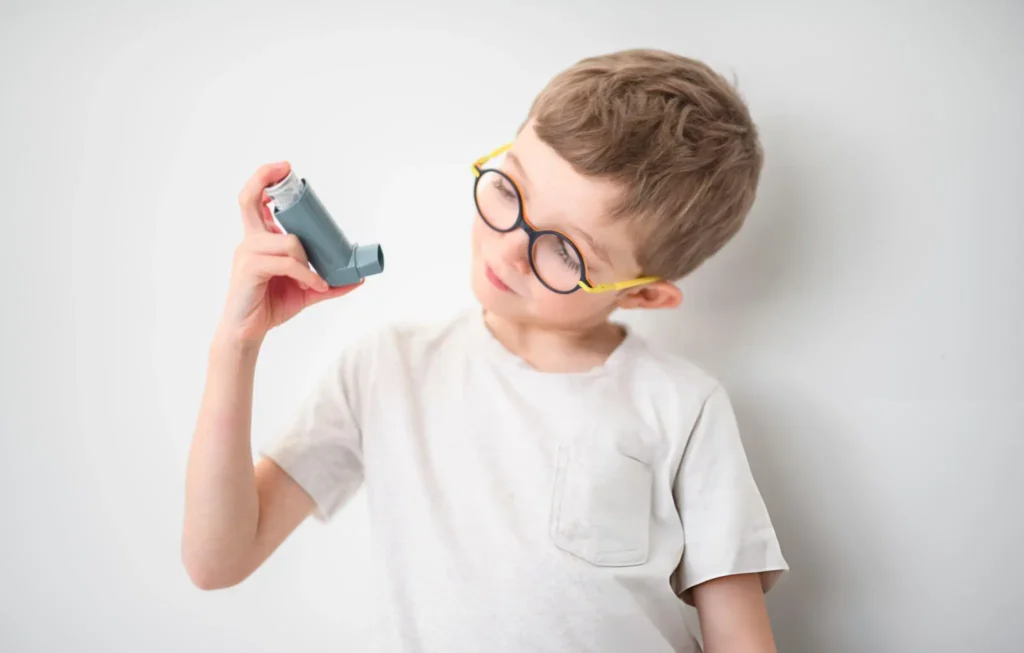
Many parents worry when a child coughs often, wheezes, or becomes breathless. These symptoms can feel alarming, especially when they keep coming back.
Not every cough is asthma. But recurring or pattern-based symptoms, especially at night, during exercise, or after a cold, are worth reviewing with a GP. This article explains what childhood asthma can look like, what commonly triggers it, how it is managed, and when to seek medical advice.
What Is Childhood Asthma?
Asthma is a condition that affects the airways in the lungs. During symptoms or a flare-up, the airways can become swollen and narrow, making it harder for air to move in and out. This can cause coughing, wheezing, shortness of breath, or chest tightness.
According to the Royal Children’s Hospital Melbourne, about one in four children will be diagnosed with asthma at some point during childhood. Symptoms vary between children and can come and go over time.
Common Childhood Asthma Symptoms Parents May Notice
Asthma symptoms in children do not always look the same. Some children wheeze clearly. Others mainly cough, especially at night or during activity.
Symptoms parents commonly notice include:
- a recurring cough, particularly at night or in the early morning
- wheezing, a whistling sound when breathing
- coughing after running, laughing, or exercising
- shortness of breath or difficulty keeping up with other children
- chest tightness
- seeming unusually tired during play
- symptoms that flare after a cold or viral infection
- needing more breaks than usual during activity
These symptoms can overlap with common childhood illnesses. A GP assessment helps clarify the cause and whether asthma may be involved.
Is It Asthma or Just a Cold?
This is one of the most common questions parents ask. Colds are frequent in young children and can cause coughing and congestion that settle within one to two weeks.
Asthma may be more likely when coughing or wheezing keeps returning, happens at night, follows exercise, or appears consistently after the same triggers. If symptoms seem to follow a pattern rather than clearing up like a typical cold, a GP assessment can help identify what is going on.
A GP will consider the full picture, symptoms, frequency, family history, and triggers before deciding whether further evaluation is appropriate.
Common Triggers for Asthma Symptoms in Children
Asthma triggers are things that can cause symptoms to start or worsen. They vary between children. Common triggers include:
- viral infections such as colds and flu
- exercise or active play
- smoke, including cigarette smoke, on clothing or furniture
- pollen, especially during seasonal changes
- dust mites in bedding or carpets
- pet dander
- mould
- cold air or sudden weather changes
- poor air quality
Reducing exposure to known triggers can help manage symptoms. Staying up to date with flu vaccination through your vaccination clinic may also help reduce the risk of viral-triggered flare-ups.
How Childhood Asthma Is Assessed by a GP
A GP cannot confirm asthma from a single symptom. Assessment involves building a picture over time.
During an assessment, your GP may:
- Ask about symptom history: how long, how often, and when symptoms occur
- Ask about family history of asthma or allergies
- Listen to the chest
- discuss known or suspected triggers
- Check inhaler technique if one has already been prescribed
- Consider other causes for the symptoms
- arrange referral or further assessment where appropriate
If your child has recurring respiratory symptoms, our children’s health services can provide a thorough GP review to discuss your concerns.
Treatment Options for Childhood Asthma
Treatment depends on your child’s age, symptom frequency, severity, and GP assessment. The September 2025 update to the Australian Asthma Handbook provides current guidance on managing asthma in children across different age groups.
Treatment may include:
- a reliever medicine used when symptoms occur
- a preventive medicine for children with more frequent or ongoing symptoms
- a spacer device to help deliver inhaled medicine effectively
- regular follow-up to check whether the current plan is working
Inhaler technique matters significantly. Even the right medicine may not work well if the technique or device is not suitable for the child’s age. Your GP can review this during a follow-up visit.
Why an Asthma Action Plan Matters
An Asthma Action Plan is a written plan prepared by a GP that tells parents, schools, and childcare providers what to do when symptoms occur.
The plan outlines what symptoms to watch for, what steps to take during a flare-up, and when to seek urgent help. The RCH recommends that children with asthma have an Asthma Action Plan and access to their asthma medicine at all times. Schools and childcare centres may also ask for a copy.
If your child has been diagnosed with asthma, ask your GP about creating or updating their plan.
When Should Parents Book a GP Appointment?
A GP appointment is worth booking if your child has:
- a cough that keeps returning, especially at night
- wheezing or a whistling sound when breathing
- shortness of breath or difficulty during activity
- coughing that is triggered by exercise, cold air, or play
- repeated coughing after every cold
- symptoms affecting sleep, school, or everyday activity
- already been prescribed a reliever and is needing it regularly
If your child has a recurring cough, wheezing, breathlessness, or symptoms that affect sleep or play, a GP at Valentine Healthcare can assess their symptoms and discuss suitable next steps. You can visit our children’s health services page to learn more.
When Childhood Breathing Symptoms Need Urgent Care
Some breathing symptoms in children need immediate attention. Call 000 if your child:
- is struggling to breathe or breathing very fast
- has lips, fingernails, or skin turning blue or grey
- is too breathless to speak, eat, or drink normally
- seems drowsy, confused, or very distressed
- is not improving after following their Asthma Action Plan
Do not wait to see if symptoms settle. Call an ambulance immediately in a severe asthma episode.
Conclusion
Childhood asthma symptoms can look similar to common illnesses, which is why recurring or pattern-based symptoms are worth reviewing rather than waiting. Recurring cough, wheeze, breathlessness, or trigger-related symptoms may all point toward asthma, but a GP assessment is needed to understand what is actually happening to your child.
With appropriate support and regular review, many children with asthma can continue everyday activities.
Parents in Valentine, NSW, can speak with Valentine Healthcare about childhood asthma symptoms, triggers, treatment options, and Asthma Action Plans where clinically appropriate. Contact the clinic or book an appointment to discuss your child’s needs.
FAQs
What are the first signs of childhood asthma?
Common early signs include a recurring cough, especially at night or after exercise, wheezing, shortness of breath, and chest tightness. Symptoms after a cold that linger or keep returning are also worth monitoring. A GP can assess whether these symptoms may relate to asthma.
Can a child’s cough be asthma?
Yes, a persistent cough can be a sign of asthma, particularly if it occurs at night, during exercise, or after a cold. However, coughing has many causes in children. A GP assessment helps identify whether asthma or another condition may be involved.
What commonly triggers asthma in children?
Common triggers include viral infections such as colds, exercise, smoke, pollen, dust mites, pets, mould, cold air, and weather changes. Triggers vary between children, and identifying them can help with ongoing management.
When should I take my child to a GP for asthma symptoms?
Book a GP appointment if your child has a recurring cough, wheeze, or breathlessness, symptoms that follow a pattern, or symptoms affecting sleep, school, or activity. If symptoms are severe or not improving, seek urgent care or call 000.