


Staying Active Outdoors in Autumn NSW: When Exercise Injuries Need a GP
Autumn in New South Wales brings cooler weather and more time outdoors. Many people return to walking, running, cycling, or weekend sports after the summer heat.
While this is positive, it can also lead to sprains, strains, and overuse injuries, especially if activity increases too quickly. Most soreness settles within a day or two, but some injuries need more than rest.
This article explains what is normal and when it is worth seeing a GP.
If you are staying active this autumn and something does not feel right, Valentine Healthcare offers local GP care for day-to-day injuries, pain concerns, and follow-up support.
Why Autumn in NSW Can Lead to More Exercise Injuries
When the weather cools, many people return to activity faster than their body is ready for. After a break, muscles and joints need time to adjust.
Autumn also brings added risks. Wet paths, uneven ground, and cooler temperatures can increase the chance of slips and strains, especially early in activity before the body has warmed up.
Common injury patterns this time of year include:
- Ankle twists on uneven or wet ground
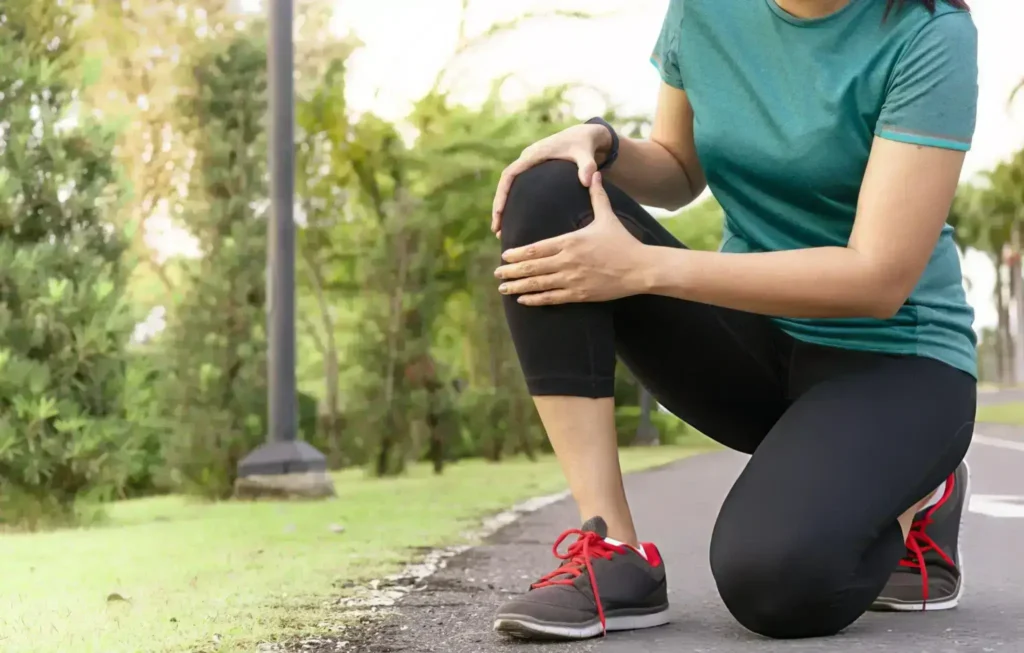
- Knee pain after returning to walking or running
- Calf strains from cold muscles and faster pacing
- Lower back pain after gardening or sports
- Overuse soreness from increasing activity too quickly
Common Outdoor Exercise Injuries People Notice First
Most people notice something is wrong through pain, limited movement, or a feeling that something is not quite right. Common complaints after autumn activity include:
- Sprains and strains in the ankle, knee, or wrist
- Sore knees during or after walking and running
- Ankle injuries after stepping on uneven surfaces
- Shoulder or wrist pain following a fall
- Lower back tightness after digging, raking, or sports
- Pain that settles during activity but returns the next morning
- Lingering discomfort that comes back every time activity resumes
Swelling, bruising, stiffness, and reduced movement are also signs that the body notices in sprains and strains. These are worth paying attention to, not just pushing through.
Normal Soreness or Something More Serious?
This is the question most people sit with after exercise. Understanding the difference can save time and help you make the right decision about what to do next.
Signs It May Be Simple Post-Exercise Soreness
- Mild stiffness that comes on a day or two after activity
- Both sides of the body feel equally sore
- Symptoms improve with rest and gentle movement over a few days
- You can still move through your full range without sharp pain
- No swelling, bruising, or visible change to the area
Signs It Is Worth Seeing a GP
- Swelling, bruising, or sharp localised pain
- Pain that does not settle after a few days of rest
- Difficulty walking, lifting, bending, or bearing weight normally
- A joint that feels unstable, loose, or out of place
- Concern that a bone, ligament, or tendon may be involved
- Symptoms that keep returning every time you try to resume activity
If pain, swelling, or limited movement is stopping you from returning to normal activity, booking a GP appointment can help clarify what is going on and what your next step should be.
When an Exercise Injury Should Not Wait
Some symptoms after a fall or physical injury are a clear signal to seek assessment sooner rather than later. These include:
- You cannot put weight on the limb
- The joint looks visibly deformed or sits differently than usual
- Pain is severe or getting worse rather than easing
- Numbness, tingling, or weakness appears in the limb
- You are concerned that a fracture may have occurred
- Symptoms are not improving after basic first aid and a period of rest
These situations do not always mean something serious has occurred, but they do mean assessment is appropriate before returning to activity.
How a GP Can Help With Exercise Injuries
A GP visit for an exercise injury is straightforward. It is not about overreacting to a sore muscle. It is about understanding what happened and what recovery looks like.
During a consultation, a GP can:
- Ask about how the injury occurred and what has changed since
- Check swelling, tenderness, range of movement, and joint stability
- Help rule out more significant problems, such as fractures or ligament tears
- Advise on rest, a return to activity, and pain management options
- Determine whether further investigation, such as imaging, is needed
- Refer to a specialist or allied health provider where clinically appropriate
Early assessment can help prevent a minor injury from becoming a longer-term problem. It also gives you a clearer picture of what recovery looks like and when it is reasonable to return to activity.
At Valentine Healthcare, a GP can assess persistent pain or movement problems and advise whether further investigation or follow-up care is needed, including pathology collection where clinically appropriate as part of your broader health review.
Who Should Be More Cautious This Autumn
While anyone can pick up an injury during exercise, some people benefit from being a little more careful as activity increases.
Older Adults
Balance, coordination, and recovery time change as we age. Falls on uneven autumn paths carry a higher risk of fracture or serious soft tissue injury. Older adults with existing joint stiffness, bone density concerns, or a history of falls may benefit from a health review before significantly increasing activity levels.
People Living With Chronic Conditions
Conditions such as type 2 diabetes, cardiovascular disease, or osteoarthritis can affect how the body responds to increased physical load. A GP can help guide what level of activity is appropriate and how to manage any flare-ups that occur.
Children and Teenagers
Kids returning to school sport and weekend competitions after school holidays are a common source of overuse injuries and acute sprains. Growth plates in younger athletes can also be vulnerable during high-impact or repetitive activity. Parents who are unsure whether an injury needs assessment are always welcome to have it checked.
People Easing Back Into Activity
If you have had a period of lower activity due to illness, injury, or life changes, increasing effort too quickly is one of the most common contributors to strain. Gradual progression reduces that risk significantly.
Simple Ways to Stay Active More Safely This Autumn
Most autumn exercise injuries are preventable with a few practical habits.
- Warm up before early morning activity, especially when temperatures are lower.
- Wear supportive footwear suited to the surface you are training on
- Build activity levels gradually after a break rather than returning to the previous intensity immediately
- Take care on wet grass, leaf-covered paths, or uneven ground
- Do not push through pain that changes the way you walk or move
- Allow time for recovery after harder sessions or long walks
These steps do not eliminate the possibility of injury, but they do reduce it meaningfully.
Final Thoughts
Staying active in autumn is genuinely good for health. Most aches and muscle soreness after returning to exercise settle with rest and time. You do not need to see a GP for every sore day.
Some injuries, however, are worth having assessed sooner rather than later. Early clarity on what is going on can make recovery more straightforward and help you return to the activities you enjoy with more confidence.
Whether it is a fresh strain, a recurring joint problem, a sports knock in a teenager, or mobility concerns in an older adult, Valentine Healthcare offers GP support across general medicine, children’s health, adolescent health, aged care, and chronic disease care. Book online or call us to arrange an appointment.
FAQ’s:
How do I know if an exercise injury needs a GP?
If you have swelling, bruising, sharp pain, or difficulty bearing weight, it is worth booking an assessment. Soreness that does not settle after a few days of rest, or pain that keeps returning when you resume activity, are also reasonable reasons to see a GP.
Should I walk on a sprained ankle or rest it?
Most sprained ankles benefit from a period of rest and reduced load in the early stage. If you cannot bear weight at all, have significant swelling, or suspect something more than a mild sprain, a GP assessment can help clarify the injury and guide your recovery approach.
How long should muscle soreness last after exercise?
General muscle soreness after activity usually peaks within 24 to 48 hours and improves over the following day or two. If soreness is severe, worsening, or does not settle after three to four days, it may be worth checking with a GP.
Can a GP help with sports injuries in adults and teenagers?
Yes. A GP can assess acute and overuse injuries in people of all ages, including teenagers. They can advise on recovery, refer for imaging if needed, and connect you with allied health support such as physiotherapy where appropriate.
This content is intended for general informational purposes only. Individual assessment by a qualified healthcare professional is required for all clinical decisions. Valentine Healthcare — 70A Dilkera Ave, Valentine NSW 2280 — (02) 4946 9022