
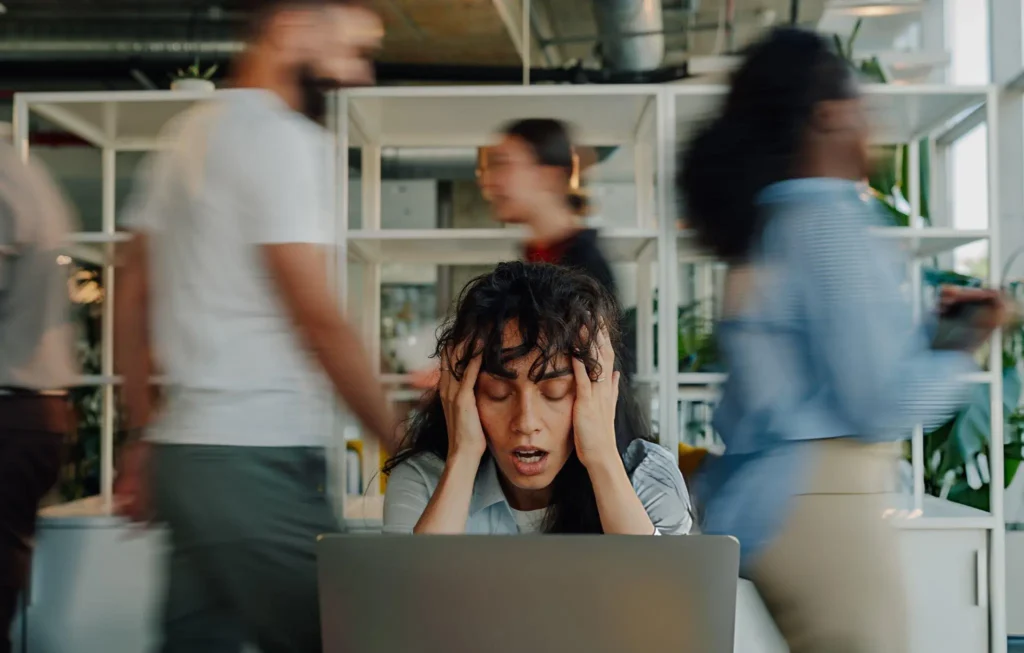
Many adults feel constantly tired during stressful periods, even after a full night of sleep. Energy drops, focus fades, and motivation disappears in ways that are hard to explain.
Stress affects sleep, physical energy, and emotional reserves in real and measurable ways. But ongoing fatigue should never simply be dismissed without consideration.
This article explains how stress causes tiredness, what it feels like, and when speaking with a GP is a sensible step.
Can Stress Really Make You Feel Tired?
Yes. Stress can contribute to both physical tiredness and mental exhaustion.
When the body is under stress, it stays in a more alert and activated state. This ongoing alertness consumes energy, even without physical effort. Over time, it leaves people feeling drained and unable to recover properly between days.
Stress-related fatigue can feel like physical heaviness, mental fog, or simply being worn down. For many adults, it is a combination of both.
Why Stress Drains Your Energy
Your Body Stays on Alert
Ongoing stress keeps the nervous system activated. Stress hormones prepare the body for pressure continuously. When this continues for weeks or months, the body struggles to rest fully, even during sleep.
Your Sleep Quality May Drop
Stress disrupts sleep in ways that are not always obvious. A person may sleep eight hours but still wake feeling unrefreshed. Racing thoughts, light sleep, or frequent waking reduce the quality of rest the body actually receives.
Your Brain Uses More Energy
Worry, decision-making, and emotional pressure all consume energy. When the mind carries a heavy load, everyday tasks require noticeably more effort. Mental fatigue is just as real as physical tiredness.
What Stress-Related Fatigue Can Feel Like
Stress-related fatigue presents differently for different people. Common experiences include:
- waking tired despite enough sleep
- low motivation to start or complete tasks
- brain fog and difficulty concentrating
- a heavy or slow feeling in the body
- irritability or emotional sensitivity
- headaches or muscle tension
- needing more effort than usual for simple tasks
If several of these feel familiar, stress may be contributing significantly to how you feel.
Stress Fatigue vs Normal Tiredness
Not all tiredness is the same.
Normal tiredness improves after a good sleep or a quieter day. The body recovers, and energy returns relatively quickly.
Stress-related fatigue behaves differently. It persists even after sleep. It worsens during high-pressure periods and comes alongside racing thoughts, poor concentration, and emotional exhaustion that rest alone does not resolve.
If tiredness keeps returning despite adequate sleep and downtime, stress may be playing a more significant role.
Do Not Assume Tiredness Is Only Stress
This point matters. Stress can contribute to fatigue, but it is not the only possible cause.
Persistent tiredness can also be related to iron deficiency, thyroid problems, vitamin deficiencies, infections, low mood, medication side effects, or other underlying health conditions. Some of these are straightforward to identify with a GP assessment.
Fatigue that does not improve with adequate rest, reasonable nutrition, and reduced stress load is worth investigating further. Assuming stress is always the explanation can sometimes delay identifying something that genuinely needs attention.
If ongoing tiredness is affecting your daily life or does not improve with rest, Valentine Healthcare offers GP consultations to help assess possible causes and discuss the next step.
When Stress-Related Tiredness Is Worth Discussing With a GP
Consider booking a GP appointment if:
- Fatigue has lasted more than two weeks without improvement
- Tiredness is affecting work, parenting, study, or daily tasks
- Sleep does not feel restorative regardless of hours slept
- Symptoms are getting worse rather than stabilising
- You also experience low mood, dizziness, shortness of breath, or unexplained weight change
- You are unsure whether stress is genuinely the main cause
Persistent fatigue that affects daily life deserves proper assessment, not just reassurance.
Persistent fatigue, poor sleep, or ongoing exhaustion can sometimes need further assessment. Valentine Healthcare provides GP care for adults experiencing tiredness, stress-related symptoms, or ongoing fatigue concerns.
What a GP May Check When You Feel Tired
A GP consultation for ongoing tiredness is practical and straightforward. Your GP may ask about:
- how long fatigue has been present and how it has changed
- sleep habits and quality
- current stress levels and daily demands
- mood, concentration, and mental health
- diet and lifestyle patterns
- whether blood tests are clinically appropriate
Understanding the full picture helps a GP assess whether fatigue is stress-related, physically caused, or both.
A Simple Question Worth Asking Yourself
Ask yourself honestly: Is rest actually helping?
If rest genuinely improves your energy, the main factor may simply be an unsustainable load that needs adjusting.
If rest does not help, if you wake tired regardless of sleep, or if energy stays consistently low, something else may be contributing. Fatigue that does not respond to rest should not be ignored.
Conclusion
Stress can cause real and significant tiredness in adults. Ongoing pressure affects sleep, physical energy, mental focus, and emotional reserves gradually over time.
However, fatigue should not automatically be blamed on stress alone. If tiredness is persistent, worsening, or affecting daily life, a GP review is a practical and sensible step.
You do not need to keep pushing through without understanding what is actually going on.
If stress, fatigue, or low energy are continuing to affect your well-being, Valentine Healthcare offers GP support for ongoing health concerns and symptom assessment. You can book online or contact the clinic for an appointment.
FAQs
Can stress make you physically tired?
Yes. Stress keeps the body in ongoing alertness, consuming energy over time. It also disrupts sleep quality and increases mental load, both of which contribute to physical and emotional exhaustion.
Why do I feel tired even after sleeping?
Stress often causes lighter sleep, frequent waking, or racing thoughts that prevent deep rest. Other causes, such as iron deficiency or thyroid issues, can also affect how restorative sleep feels and are worth discussing with a GP if the pattern continues.
How long can stress fatigue last?
Stress-related fatigue can last as long as the underlying stress continues. If fatigue persists beyond two weeks, does not improve with rest, or is worsening, speaking with a GP is a reasonable next step.
When should I see a GP for fatigue?
See a GP if tiredness has lasted more than two weeks, is affecting daily life, does not improve with rest, or comes alongside other symptoms such as low mood, dizziness, or unexplained weight change.