
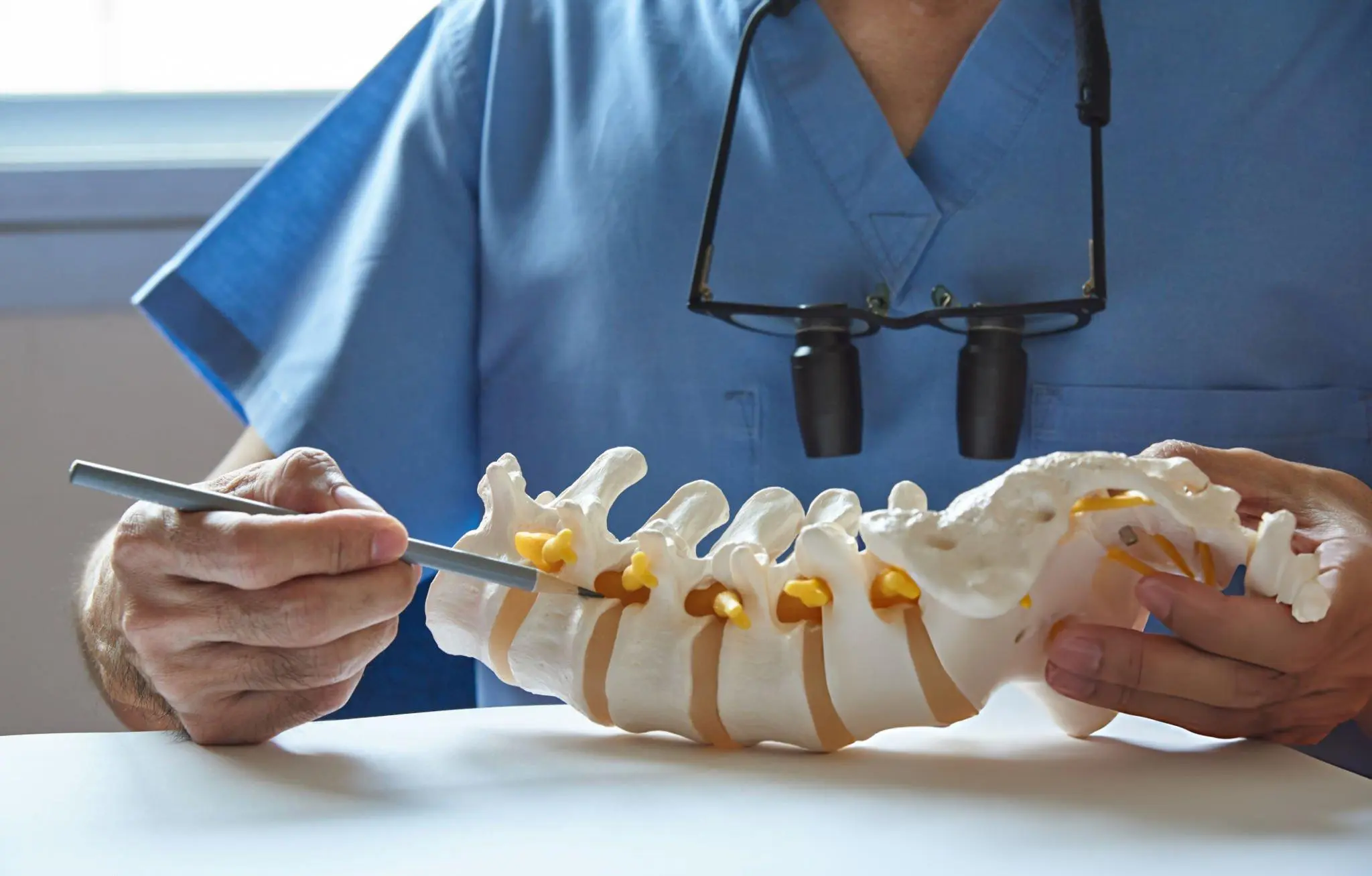
Bones are living tissue that constantly change throughout life. As we age, bone breakdown can outpace new bone formation, gradually reducing bone strength over time. This process varies significantly between individuals.
Understanding what affects your bone health and what practical steps may help can support your independence and mobility as you get older.
Key Takeaways
- Bone strength changes naturally with age, though the pace varies between people.
- Exercise, nutrition, and lifestyle habits all play a role in supporting bone health.
- Calcium and vitamin D are only part of the picture, not the whole solution.
- Individual risk factors, including menopause, family history, and certain medications, matter.
- A GP can help assess your personal risk and discuss whether further testing is appropriate.
How Do Bones Change as You Age?
Bone is constantly being broken down and rebuilt in a process called bone remodelling. In younger adults, bone formation generally keeps pace with bone breakdown. As we age, this balance can shift, with breakdown outpacing formation, which may gradually reduce bone density.
This process is not identical for everyone. Genetics, hormones, activity levels, and overall health all influence how quickly bone density changes over time.
Why Does Bone Density Decrease?
Several factors contribute to bone density changes, including:
- age-related changes in bone remodelling
- hormonal changes, particularly around menopause
- reduced physical activity
- certain medical conditions
- some long-term medications, such as corticosteroids
What Factors Affect Bone Health?
Bone strength is influenced by a combination of factors that differ from person to person. These include:
- age
- genetics and family history
- menopause and hormonal changes
- level of physical activity
- nutrition, including calcium and protein intake
- smoking
- alcohol intake
- certain long-term medicines, such as corticosteroids
- medical conditions affecting bone or hormone health
Having one or more of these factors does not necessarily mean bone health is already compromised. It simply means these are worth being aware of.
How Can You Keep Your Bones Strong?
Stay Active With Weight-Bearing and Resistance Exercise
Regular physical activity supports bone strength throughout life. Useful activities include:
- walking, hiking, or other weight-bearing exercise
- resistance or strength training
- balance-focused exercises, such as tai chi
Exercise that places load on bones can help support bone strength, though it does not eliminate fracture risk. For people with existing osteoporosis, exercise prescription is best supervised by a clinical exercise physiologist or physiotherapist, since programs may need to be tailored to individual bone fragility.
Eat for Bone Health
Nutrition plays a supporting role alongside activity. Useful habits include:
- eating calcium-rich foods such as dairy, fortified alternatives, and leafy greens
- getting adequate protein
- maintaining a generally balanced diet
Current Australian guidance recommends a target calcium intake of 1000mg per day for most adults, rising to 1300mg per day for women over 50 and men over 70. Where dietary calcium alone is not sufficient, supplements may be considered, but obtaining calcium through food is generally preferred. Not everyone needs a supplement — this depends on individual circumstances and is worth discussing with your GP.
Vitamin D also supports bone health and is mainly obtained through safe sun exposure. Where sun exposure is limited, a supplement may be recommended to maintain adequate levels.
Reduce Falls Risk
Falls prevention becomes increasingly important as bone density changes with age. Useful strategies include:
- maintaining strength and balance through regular activity
- keeping the home environment free of trip hazards
- having regular vision checks
- reviewing footwear for stability
Do You Need a Bone Density Scan?
Not everyone needs a bone density scan. Current Australian guidance does not recommend population-wide osteoporosis screening, as there is insufficient evidence to support scanning everyone in a particular age group.
Instead, a DEXA scan, which measures bone density and fracture risk, is generally considered based on individual risk factors. Your GP may recommend one if you have:
- a previous fracture from a minor injury
- a strong family history of osteoporosis
- long-term corticosteroid use
- certain medical conditions affecting bone health
- other risk factors identified through a fracture risk assessment tool
The decision to have a scan depends on your personal risk profile rather than age alone.
When Should You Talk to Your GP About Bone Health?
It may be worth discussing bone health with your GP if you have:
- had a previous fracture, particularly from a minor fall or injury
- a family history of osteoporosis or fractures
- gone through menopause and have questions about bone density
- been on long-term corticosteroid medication
- concerns about your bone strength or fracture risk
- noticed changes in mobility, balance, or height over time
Concerned about your bone health or risk factors? A GP assessment can help you understand your individual situation and discuss appropriate next steps. Women navigating bone health changes around menopause may also find our women’s health services helpful for broader support.
What Happens During a Bone Health Assessment?
A bone health discussion with a GP is a practical, conversational process. Your GP may:
- Review your medical history and any previous fractures
- Discuss lifestyle factors, including activity levels and diet
- Review current medications, including any long-term corticosteroid use
- Assess your individual risk factors, potentially using a fracture risk assessment tool
- Discuss whether a bone density scan or further testing is appropriate for your situation
Patients managing other health conditions or medications that may affect bone strength can also discuss this as part of ongoing chronic disease management.
Can Bone Strength Be Improved Later in Life?
Yes, to a meaningful degree. While some risk factors — such as age and family history — cannot be changed, healthy habits remain valuable at any life stage. Staying active, eating well, and addressing modifiable risk factors can support bone health even later in life.
The goal is realistic improvement and risk reduction, not reversing all age-related change. A GP can help you understand what is achievable based on your individual circumstances.
Supporting Bone Health Through Healthy Ageing
Strong bones support movement, balance, and everyday independence as you age. While bone density naturally changes over time, lifestyle habits and awareness of personal risk factors can make a meaningful difference.
If you have questions about your bone health, a conversation with your GP is a practical starting point.
Patients in Valentine can book a GP appointment to discuss bone health, healthy ageing, and preventive care.
FAQs
How can I keep my bones strong as I age?
Regular weight-bearing and resistance exercise, adequate calcium and protein intake, safe sun exposure for vitamin D, and reducing falls risk all support bone health. Individual needs vary, so a GP can help tailor advice to your circumstances.
What foods are good for bone health?
Calcium-rich foods such as dairy products, fortified alternatives, and leafy greens support bone health, alongside adequate protein intake. Current guidance recommends a target of 1000–1300mg of calcium daily depending on age and sex, ideally from dietary sources.
Do I need a bone density scan?
Not everyone needs one. Population-wide screening is not currently recommended in Australia. A GP may recommend a scan based on individual risk factors, such as previous fractures, family history, or long-term steroid use.
Does exercise improve bone strength?
Weight-bearing and resistance exercise can help support bone strength, particularly when done regularly over time. For people with existing osteoporosis, exercise is best supervised by a clinical exercise physiologist or physiotherapist to suit individual bone fragility.
When should I see a GP about bone health?
Consider a GP discussion if you have had a previous fracture, a family history of osteoporosis, gone through menopause, taken long-term corticosteroids, or have general concerns about your bone strength or fracture risk.