
How to Reduce Chronic Inflammation: The Role of Diet and Sleep
Chronic inflammation is a quiet process that can affect your health over months or years without obvious warning signs. It has been associated with several long-term conditions, including heart disease, type 2 diabetes, and arthritis.
While there is no single fix, two everyday factors may play an important role in how your body manages inflammation: what you eat and how well you sleep. This guide covers what chronic inflammation means, which habits may help, what to avoid, and when symptoms are worth discussing with a GP.
Key Takeaways
- Chronic inflammation differs from short-term healing inflammation and may affect long-term health.
- Mediterranean-style eating patterns may support overall health and help the body manage inflammatory processes more effectively.
- Sleep quality plays an important role in immune function and recovery
- Lifestyle changes support health but do not replace medical assessment
- Persistent symptoms such as fatigue, pain, or poor sleep should be reviewed by a GP
- GP should review persistent symptoms
What Is Chronic Inflammation?
When your body fights an infection or heals a wound, short-term inflammation is part of the normal immune response. This type of inflammation does its job and then settles.
Chronic inflammation is different. It occurs when the immune system remains activated at a low level over a long period, even without an infection or injury to respond to. According to Healthdirect Australia, ongoing inflammation may be associated with health conditions such as heart disease, diabetes, and arthritis. Chronic inflammation is a low-level inflammatory response that continues for months or years, even when there is no infection or injury present.
Can Diet and Sleep Help Reduce Chronic Inflammation?
They can play a role. Research supports that both diet quality and sleep patterns influence how the body manages inflammatory processes. However, neither diet nor sleep is a cure for inflammation. They are best understood as part of broader lifestyle care that may support your health alongside medical management.
The RACGP recognises lifestyle medicine as a valuable approach that can support chronic disease prevention and management alongside conventional care. For adults in Valentine and surrounding Lake Macquarie communities, combining healthy habits with regular GP check-ups is a practical starting point.
How Food Choices May Affect Inflammation
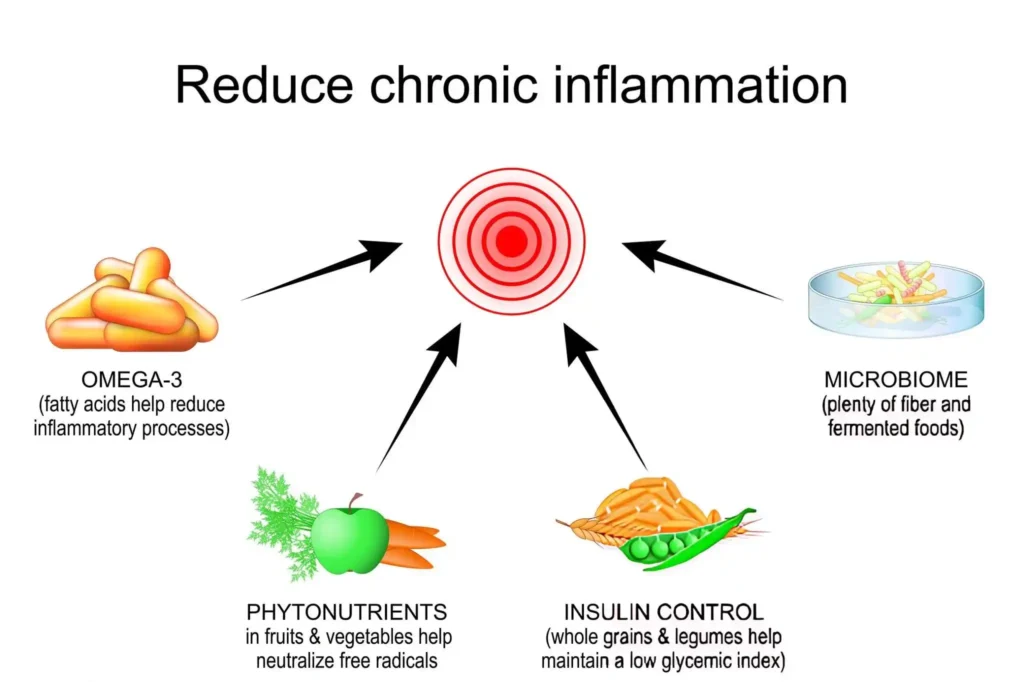
What you eat day to day shapes how your body responds to stress, repairs tissue, and manages immune activity. The Better Health Channel notes that Mediterranean-style diets rich in vegetables, fruit, fish, nuts, and olive oil may support joint health and general wellbeing.
This is not about following a strict plan. It is about building a consistent eating pattern that supports your body over time.
Foods that may support lower inflammation include:
- Vegetables and fruit, particularly leafy greens, tomatoes, and berries
- Whole grains such as oats, brown rice, and wholemeal bread
- Legumes including lentils, chickpeas, and beans
- Nuts and seeds
- Olive oil used regularly in cooking
- Oily fish such as salmon, sardines, or mackerel
- Herbs and spices including turmeric and ginger
No single food reduces inflammation on its own. The overall pattern of eating matters more than any individual ingredient.
Foods and Habits That May Worsen Inflammation
Some eating patterns may contribute to higher levels of inflammation over time. Being aware of these does not mean perfection is required. Small shifts make a difference.
Patterns worth reducing where possible include:
- Frequent consumption of highly processed foods
- High intake of added sugars and sugary drinks
- Regular takeaway meals with low nutritional value
- Excess alcohol consumption
- Low-fibre diets
- Irregular or frequently skipped meals
Why Sleep Matters for Inflammation and Recovery
Sleep is often overlooked when people think about inflammation, but it plays a central role. During sleep, your body carries out tissue repair, hormone regulation, and immune maintenance. When sleep is consistently poor, these processes are disrupted.
Healthdirect Australia explains that sleep supports immune function, emotional regulation, heart health, and appetite control. Adults who regularly sleep fewer than six hours may experience increased fatigue, poor concentration, and higher levels of stress hormones, all of which can influence inflammatory activity.
Poor sleep also affects the choices you make during the day. When you are tired, it is harder to eat well, stay active, and manage stress, which creates a cycle that can worsen inflammation over time.
Simple Diet and Sleep Steps to Start With
You do not need to overhaul your lifestyle overnight. Small, consistent changes are more realistic and sustainable.
- Add vegetables to at least two meals each day
- Choose whole grains where possible instead of refined options
- Include protein and fibre at breakfast to support steady energy
- Reduce sugary drinks and swap for water or herbal tea
- Keep a consistent bedtime and wake time, including weekends
- Reduce screen use for at least 30 minutes before sleep
- Limit caffeine after midday
- Get morning light exposure to support your natural sleep rhythm
These steps may seem simple, but when followed consistently over time, they may help support better energy, improved sleep quality, and overall wellbeing.
What Not to Rely on for Chronic Inflammation
Not every approach promoted online is supported by evidence. Be cautious about:
- Detox plans or juice cleanses claiming to remove inflammation
- Extreme elimination diets without GP or dietitian guidance
- Supplement-only approaches that replace balanced eating
- Ignoring persistent symptoms and relying only on lifestyle changes
The Better Health Channel reinforces that dietary changes should complement medical care rather than replace professional advice.
When Should You Speak With a GP?
Lifestyle habits may support your health, but some symptoms need proper assessment. See a GP if you experience:
- Ongoing fatigue that does not improve with rest or better sleep
- Unexplained weight gain or loss
- Persistent joint pain, stiffness, or swelling
- Poor sleep that continues despite routine changes
- Digestive symptoms lasting more than a few weeks
- Known chronic disease risk factors such as diabetes, heart disease, or high blood pressure
- Symptoms that are worsening or difficult to explain
A GP at Valentine Healthcare can review your symptoms, assess your health history, and consider pathology testing or a health assessment where clinically appropriate.
If fatigue, pain, poor sleep, or ongoing symptoms are affecting your daily life, a GP at Valentine Healthcare can assess your concerns and discuss appropriate next steps.
Conclusion
Diet and sleep are two of the most practical areas where consistent daily habits may support healthier inflammation levels. Mediterranean-style eating patterns, stable sleep routines, and small realistic changes can all contribute to better long-term health.
They are not a cure or a substitute for proper medical care. If symptoms such as fatigue, pain, or poor sleep continue, speaking with a GP is a sensible and important step.
For patients in Valentine, NSW, Valentine Healthcare provides GP care for ongoing health concerns, chronic disease support, health assessments, and pathology collection where clinically appropriate. Contact the clinic to arrange an appointment.
FAQs
Can diet reduce chronic inflammation?
A balanced eating pattern rich in vegetables, fruit, whole grains, legumes, nuts, and oily fish may support healthier inflammation levels over time. Diet alone does not cure inflammation, but consistent habits may reduce associated risk factors.
Does poor sleep make inflammation worse?
Poor sleep can affect immune regulation, stress hormones, appetite, and recovery. Over time, consistently disrupted sleep may contribute to higher levels of inflammatory activity in the body.
What foods are linked with lower inflammation?
Mediterranean-style eating patterns, including vegetables, fruit, legumes, olive oil, nuts, whole grains, and oily fish, have the strongest evidence for supporting general and joint health.
When should I see a GP about chronic inflammation?
See a GP if you experience persistent fatigue, unexplained pain, swelling, digestive changes, weight changes, poor sleep, or any ongoing symptoms affecting your daily life.
Resources and References
- Healthdirect Australia — Inflammation
https://www.healthdirect.gov.au/inflammation - Healthdirect Australia — Sleep
https://www.healthdirect.gov.au/sleep - Better Health Channel — Arthritis and Diet
https://www.betterhealth.vic.gov.au/health/conditionsandtreatments/arthritis-and-diet - RACGP — Guidelines for Preventive Activities in General Practice
https://www.racgp.org.au/clinical-resources/clinical-guidelines/key-racgp-guidelines/view-all-racgp-guidelines/guidelines-for-preventive-activities-in-general-pr